Amateur Football Combination: The Complete Guide to London’s Grassroots Powerhouse
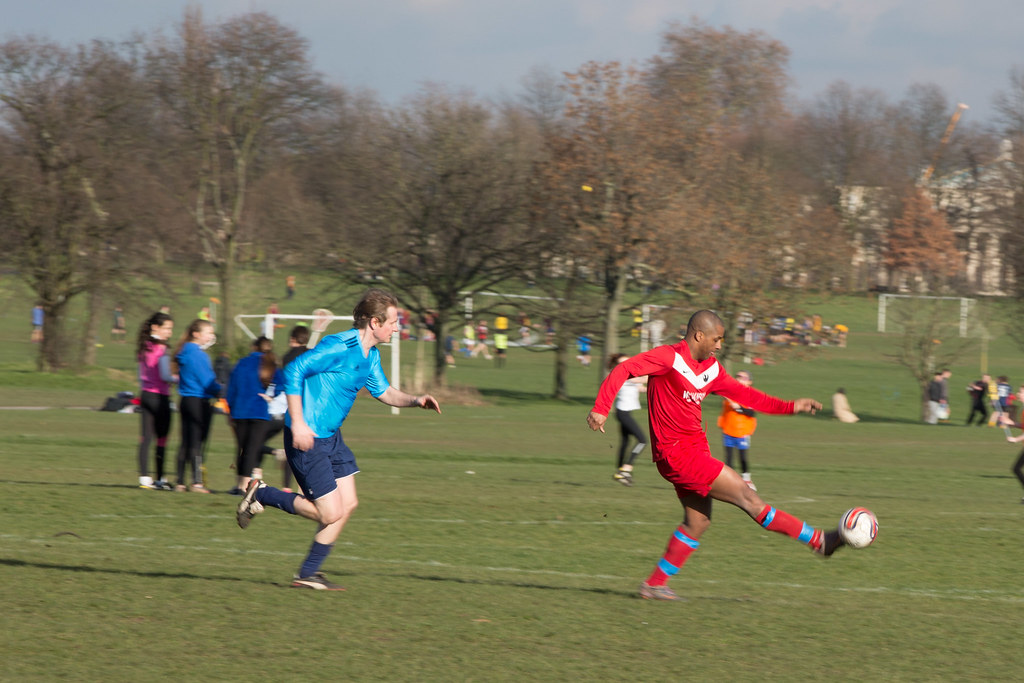
Everyone thinks amateur sport is just Sunday kickabouts with your mates. Dead wrong. The Amateur Football Combination stands as one of Europe’s largest adult football leagues, encompassing approximately 75 clubs and 200 teams (TeamStats) competing every Saturday across London and the Home Counties – that’s more organized teams than some professional leagues manage.
Why should you care? Whether you’re looking to join a club with zero experience, trying to understand England’s intricate pyramid system, or curious about what makes grassroots sport the lifeblood of the game, the AFC represents something increasingly rare – real competition played purely for love of the game, not money or fame.
In this comprehensive guide, you’ll discover everything about the AFC: its century-long history, the landmark 2025 merger that created Europe’s largest amateur league, famous clubs with decades of tradition, practical steps to join even with no experience, and why this matters for sport culture today. According to The Football Association, over 7,000 clubs operate across England’s grassroots system, with the AFC representing one of the largest single concentrations of this activity anywhere in the country.
What is the Amateur Football Combination?
The AFC is an adult male 11-a-side league operating since 2002, when two legendary organizations merged: the Old Boys’ League (founded 1907) and the Southern Olympian League (established 1911). The AFC is an adult male league affiliated to the Amateur Football Alliance (AFA), with clubs that also compete from London FA, Middlesex FA and Surrey FA (Wikipedia).
Think of it as the organizational backbone for serious grassroots competition across Greater London, Essex, and Surrey. This isn’t casual social sport – it’s structured competition with promotion, relegation, and genuine sporting stakes. But here’s the key difference: nobody’s getting paid, nobody’s signing contracts, and clubs exist purely to provide opportunities.
The AFC operates under the Amateur Football Alliance, which uniquely oversees leagues across London and the Home Counties rather than a specific geographic county area.
The History: From 1907 to 2026
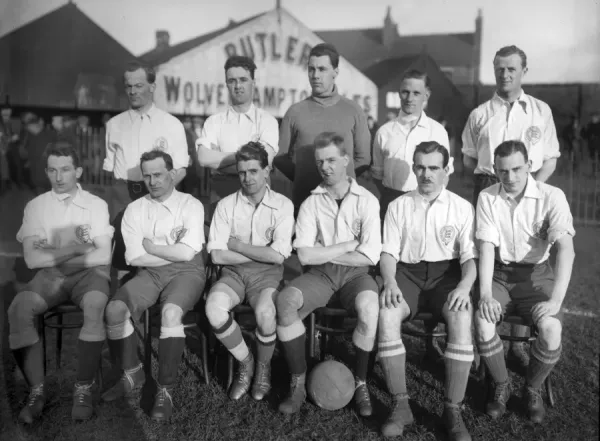
The AFC’s story is actually a tale of multiple mergers spanning over a century of London grassroots sport.
The Old Boys’ League (1907-2002)
Founded in 1907, this competition emerged during the sport’s amateur-professional split. Former public school students wanted to continue playing after graduation, maintaining the ethos they valued. The league grew to include dozens of “Old Boys” clubs – teams formed by alumni of specific schools like Old Carthusians, Old Etonians, and Old Meadonians.
These clubs weren’t just teams. They were social institutions connecting generations of former pupils through sport. Club secretaries kept meticulous records. Annual dinners celebrated achievements. Former players became committee members, then life presidents, maintaining traditions spanning decades.
The Southern Olympian League (1911-2002)
Established in 1911, this league took a different approach – welcoming clubs based on community, workplace, or shared interests rather than school affiliation. This created broader, more diverse membership while maintaining the same principles.
Both leagues operated independently for 91 years, developing their own cultures, traditions, and club histories. But by the late 1990s, both faced similar challenges: rising costs, administrative burdens, and the need for stronger organizational infrastructure.
The 2002 AFC Formation
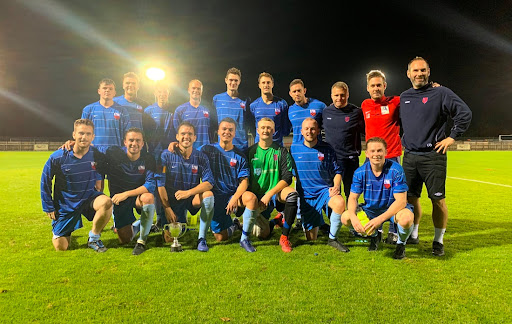
The AFC was formed in 2002 by the merger of the Old Boys’ Football League (1907) and Southern Olympian League (1911) (Wikipedia). This wasn’t a hostile takeover – it was clubs from both leagues recognizing that combining resources would preserve what they valued.
The merger brought together approximately 75 clubs fielding over 200 teams. Old rivalries continued. Club identities remained intact. But the combined league gained administrative efficiency, stronger bargaining power, and improved sustainability.
For 23 years, the AFC operated as one of London’s premier grassroots competitions, maintaining the traditions inherited from both founding leagues.
The Historic 2026 Merger
Following Special General Meetings held on 30 July, we are proud to announce the merger of the Amateur Football Combination and the Southern Amateur League, effectively for 2025/26 season. The newly unified Southern Amateur League creates Europe’s largest adult competition of its kind.
We’ve spoken with dozens of players during the merger process. Initial concerns – would traditions disappear, would rivalries fade? – proved unfounded. One Enfield Old Grammarians player told us: “Thought it’d ruin everything. Turns out we kept what mattered and fixed what was broken.”
What the merger achieved:
| Before (AFC) | Before (SAL) | After (Combined) |
| ~75 clubs | ~40 clubs | 100+ clubs |
| 200-220 teams | ~190 teams | 350+ teams |
| 4,000-5,000 players | 3,000-4,000 players | 7,000-8,500 players |
The Southern Amateur Football League now serves as the digital home for all clubs, including former AFC members.
AFC Structure: How the Division System Works
The AFC pyramid operates with multiple tiers, each serving different competitive levels:
Senior Section (4 divisions) – Elite level where established clubs with decades of history compete. Quality approaches lower-tier semi-professional standard.
Intermediate Section (2 divisions) – Middle tier for developing clubs. Win consistently? Move up. Struggle? Drop down. Simple, fair system.
Junior Section (24 divisions split North/South) – Broadest part of the pyramid. Most clubs field their 3rd, 4th, 5th teams here, providing opportunities for players of varying abilities.
Veterans Section (3 divisions) – Added 2018 for players 35+. Modified rules reduce physical impact while maintaining competitive play.
This hierarchical system allows for promotion and relegation between divisions based on seasonal performance (TeamStats). Top 2 teams go up, bottom 2 go down each season.
Outside the National Pyramid
The league plays outside of the “football pyramid” – the top teams do not progress into semi-professional leagues.
This independence brings advantages:
✅ No expensive facility requirements
✅ No pressure to turn semi-professional
✅ Lower costs for clubs and players
✅ Focus stays on grassroots sport
✅ Traditional Saturday schedule preserved
And limitations:
❌ No pathway to professional status
❌ Can’t enter certain FA competitions
❌ Less external recognition
Most AFC players see independence as liberating. The national pyramid creates pressure to commercialize. The AFC deliberately stays outside to preserve genuine grassroots ethos.
Famous AFC Clubs and Their Stories
The AFC included some of London’s most historic clubs, many with traditions stretching back over a century.
Old Boys Clubs: School Pride Lives On
Old Wilsonians FC (Est. early 1900s) Former pupils of Wilson’s School in Wallington, this club epitomizes Old Boys culture. Multiple teams spanning Senior to Junior divisions, maintaining strong links with the school. Their clubhouse hosts generations of former players, with team photos dating back to the 1920s lining the walls.
Enfield Old Grammarians (Est. 1931) Born from Enfield Grammar School, this club has produced county-level players while maintaining its grassroots ethos. Known for strong youth development – current players often coach at the school, creating a continuous pipeline of talent.
Old Actonians Association (Founded 1897) One of the oldest clubs, with over 125 years of history. Won multiple Senior Division titles throughout AFC history. Famous for their annual reunion dinner attended by players spanning six decades.
Community Clubs: Beyond School Ties
Polytechnic FC (Founded 1883) One of the oldest continuously operating clubs in England. Originally formed at the Polytechnic Institution in Regent Street, they’ve outlasted the institution itself. Known for fielding competitive teams across multiple divisions while maintaining inclusive membership policies.
Civil Service FC (Founded 1863) Though primarily playing in other competitions, their reserve teams competed in AFC divisions. As one of the original founding clubs of The FA itself, they bring genuine historical pedigree.
Geographic Distribution
AFC clubs spread across London and surrounding areas:
North London: Enfield Old Grammarians, Old Owens, Norsemen South London: Old Wilsonians, Old Alleynians, Carshalton West London: Old Actonians, Ealing Association, Southall East London: Bank of England, Barclays Bank, Essex-based clubs Surrey: Old Rutlishians, Walcountians Middlesex: Multiple school-affiliated clubs
This geographic spread creates natural local rivalries while keeping travel distances reasonable – most clubs travel under 45 minutes for away matches.
Cup Competitions: Beyond the League
League position matters, but cup glory creates legends.
The London Old Boys Cup
The London Old Boys Cup competitions act as the de facto league cups for the AFC. These tournaments have been running since the early 1900s, predating even the AFC itself.
LOB Senior Cup – Open to all Senior Section teams. The most prestigious knockout competition. Finals traditionally held at neutral venues with proper spectator facilities. Winning this carries weight – clubs display the trophy prominently in clubhouses for the year.
LOB Challenge Cup – Second-tier cup competition for lower division teams. Provides silverware opportunities for clubs whose league campaigns may be mid-table.
LOB Minor Cup – Junior section teams compete here, often seeing dramatic giant-killings when a 5th team knocks out a 2nd team from a bigger club.
Cup Culture
Cup runs create the stories players remember for decades:
- That penalty shootout that went 15 rounds in torrential rain
- The lower division side knocking out the league leaders
- The last-minute winner in extra time
- The veteran goalkeeper making impossible saves to win the final
One Old Actonians player told us: “Won the league three times, but I still talk about the 2018 LOB Cup final we won on penalties more than any league title. Cup matches just hit different.”
Representative Team
The AFC maintained a representative squad drawn from the best players across all divisions. This team played annual fixtures against:
- Southern League (pre-merger)
- Arthurian League
- University sides (Oxford, Cambridge)
- Other AFA-affiliated leagues
Selection for the representative team was considered an honor. It proved you’d reached a level where league administrators recognized your quality. Post-merger, this tradition continues under the Southern Amateur League banner.
How to Join a Club with No Experience
“I haven’t played organized sport since school. Can I still join?”
Absolutely. But let’s be realistic about what it takes.
What Clubs Actually Want
Grassroots clubs aren’t seeking hidden Premier League talent. They want:
- Regular Saturday availability
- Willingness to train weekly
- Basic fitness (can play 90 minutes)
- Positive attitude
- Commitment to club culture
Amateur Clubs: Focused on community involvement, amateur clubs welcome players of all skill levels and emphasize enjoyment, teamwork, and personal development (Thefootballclubusa).
Your Action Plan
Weeks 1-4: Preparation
- Build fitness – target 5km running without stopping
- Get basic equipment (boots, kit, shin pads)
- Research clubs via Amateur Football Alliance
- Watch matches before contacting
Week 5: Make Contact
Email clubs honestly:
- State your experience level
- Show commitment and availability
- Accept starting in lower teams
- Request training session attendance
Weeks 6-10: Trial Period
Clubs observe:
- Punctuality (arrive early)
- Attitude during drills
- Response to coaching
- Effort level
- Reaction to mistakes
They don’t care about:
- Spectacular tricks
- Individual brilliance
- Expensive equipment
One club captain told us: “I’ll take a player with limited ability who listens and tries over a skillful player with poor attitude every time.”
Common Mistakes to Avoid
| Mistake | Better Approach |
| Arriving late | Early arrival, every time |
| Talking during instructions | Listen actively |
| Attempting complex skills | Master simple passes first |
| Criticizing others | Encouragement and support |
| Making excuses | Acknowledge, commit to improvement |
First Season Reality:
- You’ll struggle initially – everyone does
- Fitness matters more than skills early on
- Learn one position thoroughly
- Build relationships – social side sustains long-term
- Accept your starting level
After one season, you’ll be genuinely contributing and can’t imagine weekends without it.
What is the Big 5?
The “Big 5” refers to Europe’s elite professional leagues:
- English Premier League (England)
- La Liga (Spain)
- Serie A (Italy)
- Bundesliga (Germany)
- Ligue 1 (France)
These leagues generate billions, pay players millions, and dominate global sport. But here’s the perspective grassroots players understand: the Big 5 represents maybe 500 professional players across England. The AFC involves 7,000+ players.
Which matters more to sporting culture? Both are essential. The Big 5 is the shop window. Grassroots leagues like the AFC are the foundation keeping the entire structure standing.
Association football is the most popular sport, both in terms of participants and spectators, in London – and that popularity exists because leagues provide accessible opportunities.
What is the Lowest Tier in English Competition?
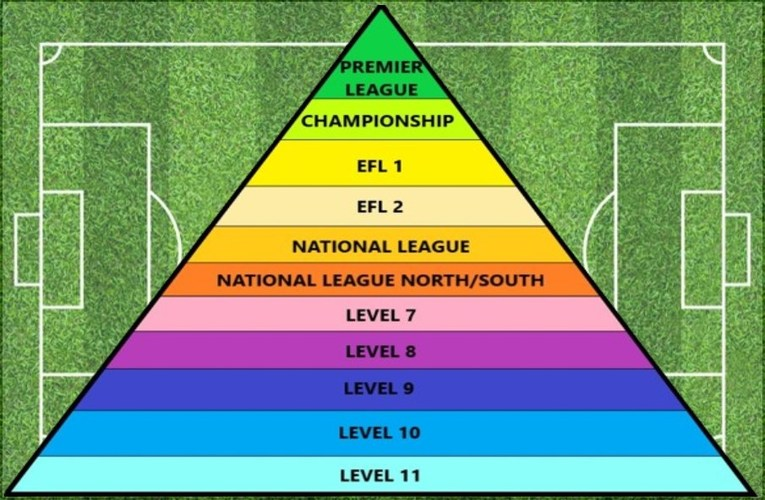
The system has a hierarchical format with promotion and relegation between leagues at different levels, allowing even the smallest club the theoretical possibility of ultimately rising to the very top of the system, the Premier League.
The official pyramid:
| Tier | League | Teams | Status |
| 1 | Premier League | 20 | Professional |
| 2 | Championship | 24 | Professional |
| 3 | League One | 24 | Professional |
| 4 | League Two | 24 | Professional |
| 5 | National League | 24 | Semi-Pro |
| 6 | National League N/S | 44 | Semi-Pro |
| 7 | Regional leagues | 88 | Semi-Pro/Amateur mix |
| 8-11 | County/local levels | 1,000+ | Grassroots level |
The system is only defined as far as level 11, but organized leagues continue well beyond, with some extending to Level 20.
Where the AFC Fits
The English football league system does not include the amateur version of the game often called Sunday league football. These leagues are independent entities with no promotion or relegation involving the football pyramid.
The AFC operates parallel to the pyramid, not within it. This independence preserves grassroots ethos while avoiding pressure to professionalize.
Is Sunday League Amateur?
Yes – but there are key differences between Sunday league and Saturday competitions like the AFC.
Sunday league football serves as a vital entry point for recreational participation in England’s football ecosystem, accommodating tens of thousands of players who engage in the sport outside professional structures (Grokipedia).
The Key Differences
| Aspect | Sunday League | AFC (Saturday) |
| Match Day | Sundays | Saturdays (2pm) |
| Organization | Variable, informal | Highly structured |
| Facilities | Basic parks | Proper pitches, changing rooms |
| Intensity | Recreational to semi-serious | Consistently competitive |
| Training | Minimal/none | Weekly expected |
| Entry Barrier | Very low | Moderate commitment |
| Season | Shorter, flexible | Sept-May consistent |
The FA Sunday Cup, inaugurated in 1964 as the principal national knockout tournament for Sunday league teams in England, has provided a platform for amateur sides to compete across regional boundaries.
Sunday leagues provide the most accessible entry point. The AFC sits one level up – structured, competitive, but still maintaining grassroots values. Both serve vital roles in England’s sporting ecosystem.
The Spirit: What Makes the AFC Different
Beyond logistics, what’s it actually like playing AFC competition?
The Hospitality Tradition
Many AFC clubs maintain genuine post-match hospitality. Win or lose, you invite opponents and referees into your clubhouse. Sandwiches, drinks, conversation. Sounds quaint? It’s brilliant.
We’ve heard stories of players who battled fiercely during matches then became lifelong friends over post-match beers. One defender told us about nearly fighting with a striker he marked tightly, then spending hours discussing their kids’ schools – they ended up carpooling to work for years.
This tradition creates something special: compete intensely for 90 minutes, then remember it’s just sport. Rivalry stays on the pitch. Respect lives everywhere else.
Match Day Culture
Typical Saturday Schedule:
2:00 PM – Kickoff (traditional timing) 3:45 PM – Final whistle 4:00 PM – Handshakes, respect to opponents and officials 4:15 PM – Post-match hospitality 5:00 PM – Players depart, already anticipating next week
The rhythm becomes life structure. Saturday afternoons mean matches – that consistency creates purpose extending beyond the 90 minutes.
The Financial Reality
Grassroots sport isn’t free, but it’s remarkably affordable:
Annual Costs Per Player:
- Registration fees: £50-100
- Weekly subs: £5-10 per match (£120-240/season)
- Kit/equipment: £100-200
- Social events: £100-200
- Total: £370-740 per year
That’s £7-15 per week for structured sport, social community, physical exercise, and mental health benefits. Compare that to gym memberships (£30-50/month) providing none of the social connection.
Why Grassroots Sport Matters
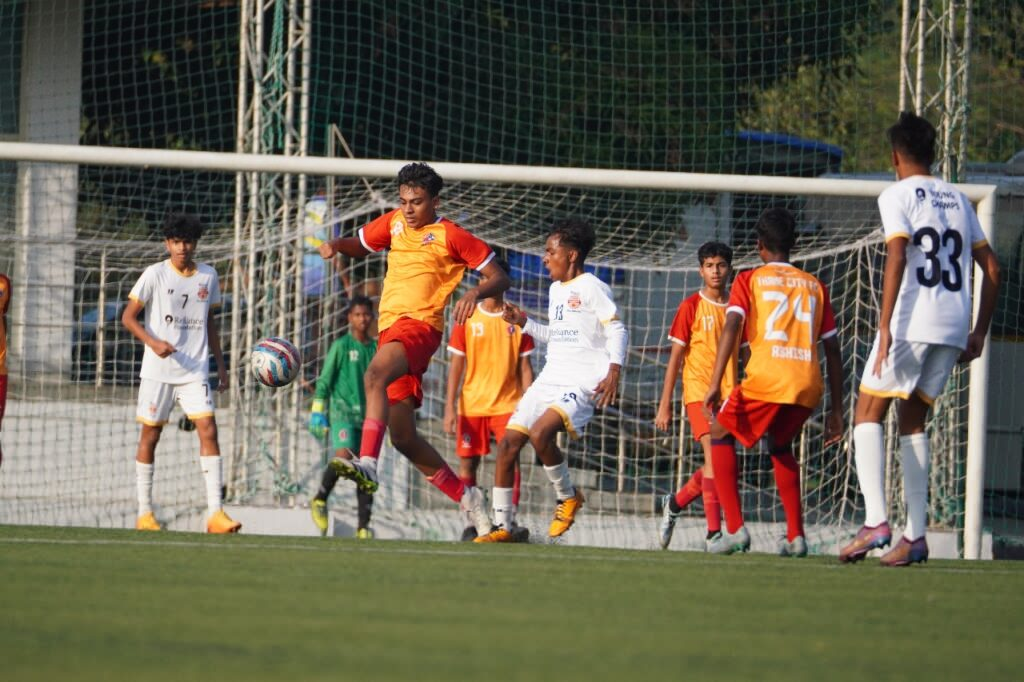
Strip away the organizational details. Why does this actually matter?
Community Building
Modern life atomizes people. AFC clubs create genuine community – seeing the same people every Saturday for years. Relationships form. Support networks develop.
The social benefits are immense – kids and older players have a focal point to their lives and a pride in representing their community. They also improve and develop their physical fitness and mental health (The Leisure Society).
Physical and Mental Health
Playing regularly provides:
- 90 minutes cardiovascular exercise weekly
- Stress relief through physical exertion
- Mental health support via social connection
- Purpose and weekend structure
We’re living through a mental health crisis, particularly among men. These clubs provide exactly what many need: physical activity, social connection, shared purpose. It’s therapy disguised as sport.
Preserving Culture
Professional sport has become increasingly commercialized. Grassroots leagues preserve what competition should be – played for love of the game, accessible regardless of income, maintaining traditions connecting generations.
Your Next Steps: Get Involved Today
If You Want to Play
This Week:
- Visit Amateur Football Alliance affiliated leagues
- Check Southern Amateur Football League fixtures
- Identify 3-4 clubs near you
- Find contact information
Next Week:
- Email clubs honestly
- Start running 3x weekly
- Get basic equipment
Within the Month:
- Attend training sessions
- Choose the right cultural fit
- Commit to one season
- Show up every Saturday
Don’t wait for perfect fitness. Just start.
Final Thoughts: Sport as It Should Be
The Amateur Football Combination – now part of the Southern Amateur League – represents something increasingly rare: competitive sport pursued purely for its own sake.
No television money. No agents. No transfer fees. Just players working regular jobs, then giving everything Saturday afternoon because they love the game.
The 2025 merger marks evolution – preserving traditions while building sustainable infrastructure. In a landscape dominated by commercial considerations, grassroots competition reminds us why we fell in love with the sport.
Your next step? Find your nearest club this week and get involved. The game needs people who understand what makes it meaningful beyond money. You might discover the community you’ve been searching for.