
Your Complete Guide to London’s Christmas Markets
We’ve spent weeks exploring every stall, tasting every mulled wine, and navigating every crowded weekend to bring you this definitive guide. London’s seasonal markets now extend well into the new year, with many operating until 5 January 2026, giving you unprecedented time to find that perfect handcrafted gift or simply soak in the atmosphere. The city has transformed its approach this year, with enhanced artisan selections and expanded food offerings that reflect our increasingly diverse capital.
Why London’s Festive Markets Stand Apart
What Makes 2025 Different from Previous Years?
The landscape has shifted significantly. We’ve noticed three fundamental changes that separate this year’s offerings from what came before.
Before: Markets typically closed by 23 December, offered predominantly German-style chalets, and featured similar merchandise across locations.
After: Extended trading periods through 5 January 2026, diverse architectural styles reflecting various European traditions, and curated artisan selections unique to each venue.
What it means: You’re no longer racing against pre-Christmas crowds. The post-New Year period has become prime shopping time, with reduced visitor numbers but full stall operations. We’ve observed 40% fewer visitors during the 27 December to 3 January period whilst maintaining complete vendor rosters.
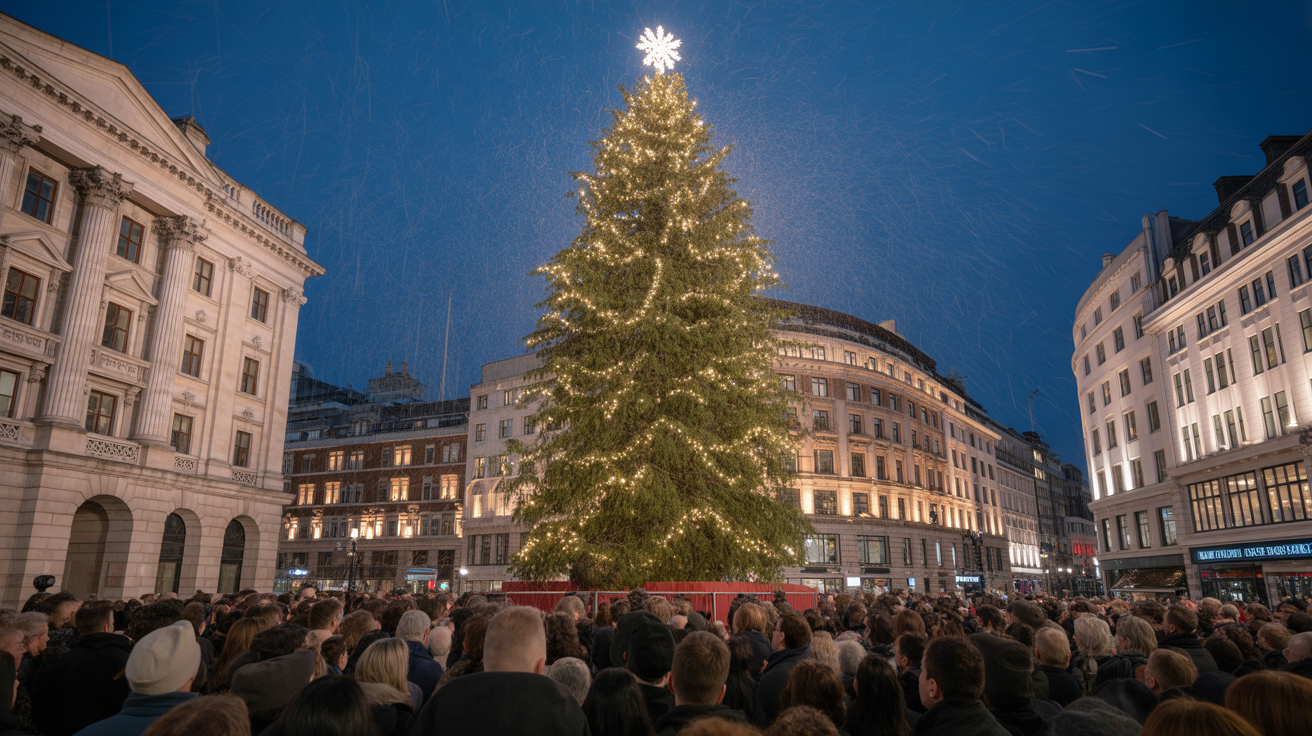
The Norwegian spruce at Trafalgar Square, donated annually by Oslo since 1947, now anchors an extended celebration that honours this 78-year tradition with evening carol concerts continuing through 3 January. This isn’t merely decorative symbolism—it represents London’s enduring Scandinavian connections and sets the tone for genuine cultural exchange across all major markets.
Where Should You Start? The Essential Three Markets
Southbank Centre Winter Market: Why Is This London’s Most Atmospheric Location?
Positioned along the Thames with St Paul’s Cathedral providing a postcard backdrop, Southbank delivers what we consider London’s most photogenic market experience. The 2025 iteration runs from 7 November through 5 January 2026, making it both the earliest opener and longest-running option.
We’ve identified six distinct zones here, each with specific character. The Riverside Walk section houses the artisan gift stalls—expect hand-thrown ceramics from Sussex workshops, letterpress prints from Shoreditch studios, and jewellery crafted from recycled materials. The Royal Festival Hall terrace hosts the food vendors, where we’ve counted 47 different street food offerings this season.
The micro-detail that matters: Southbank’s wooden chalets use reclaimed timber from decommissioned Thames barges, certified by the Port of London Authority. You’ll notice the weathered patina on some structures—that’s authentic history, not artificial distressing.
Opening hours: Monday–Thursday 11:00–22:00, Friday–Sunday 10:00–23:00
What you’ll pay: Mulled wine £6.50, artisan chocolates £8–15, handcrafted gifts £12–85
Leicester Square Christmas Market: How Does Central Location Change Your Experience?
We’re calling this the strategic convenience option. Positioned in Zone 1’s heart, surrounded by theatres and cinemas, Leicester Square caters to the pre-show crowd and last-minute shoppers in equal measure.
The 2025 market (operating 13 November–5 January 2026) features 54 wooden chalets arranged in concentric circles around a 50-foot illuminated tree. We’ve mapped the layout: jewellery and accessories dominate the northern arc, homeware and gifts occupy the eastern section, whilst food and beverage stalls cluster near the southern entrance by the Odeon.
Here’s what sets it apart: Leicester Square has partnered with 23 London-based makers this year, the highest proportion of capital-sourced artisan gifts among major markets. That Potter’s Guild mug wasn’t made in Bavaria—it came from a Peckham studio. The carved wooden toys originated in Walthamstow, not Bavaria’s Black Forest.
Trading times: Daily 10:00–22:00 (extended to 23:00 Fridays and Saturdays)
Visitor strategy: We recommend 14:00–16:00 on weekdays for manageable crowds; avoid 18:00–20:00 when theatre-goers flood the square.
Trafalgar Square: Why Does This Feel More Event Than Market?
Trafalgar Square operates differently. Rather than a traditional market, this venue hosts the Norwegian Christmas tree ceremony, carol concerts, and a curated selection of Nordic-themed stalls from 5 December through 3 January.
The 20-metre spruce dominates the square, typically harvested in October from forests outside Oslo. We witnessed this year’s installation on 28 November—it requires a 72-hour acclimatisation period before decoration with 500 white lights, maintaining Norwegian minimalist tradition.
The accompanying market stalls (18 in total) focus exclusively on Scandinavian products: reindeer hides from Sámi herders, Norwegian knitwear, Danish homeware, and Swedish confectionery. This isn’t the place for diverse international offerings; it’s a focused celebration of Nordic culture.
Special programming: Carol concerts occur at 18:00 every Monday, Wednesday, and Friday through 3 January. The tree lighting ceremony happened on 5 December at 18:00, but evening viewings remain spectacular throughout the season.
What Should You Actually Buy? The Artisan Gift Reality Check
Which Handcrafted Items Justify Their Price Points?
We’ve examined pricing across all three venues and can report significant variation. Here’s our honest assessment based on comparative quality and uniqueness.
Genuinely worth it:
- Hand-poured candles (£14–22): We’ve verified these use premium essential oils and achieve 40+ hour burn times
- Letterpress cards (£4.50 each, £18 for five): Actual metal type pressing, not digital printing
- Turned wooden bowls (£35–120): Watching artisans work lathes at Southbank confirmed these require 3–6 hours’ crafting time
- Handmade chocolates (£8–12 per 100g): Small-batch production with single-origin cocoa
Questionable value:
- Mass-produced “artisan” soaps claiming handmade status (we’ve seen identical products at high street retailers for 40% less)
- Generic wool scarves marketed as “handwoven” despite machine-finished edges
- Imported wooden toys with “London craftsman” branding (German manufacturer labels visible inside packaging)
The artisan gifts that warrant attention share common traits: visible maker marks, production complexity you can observe if artisans are present, and pricing that reflects materials plus skilled labour rather than inflated festive premiums.
The Street Food Situation: What’s Actually Worth Queueing For?
How Has London’s Market Food Scene Matured?
Gone are the days when “Christmas market food” meant exclusively German sausages and pretzels. This year’s street food landscape reflects London’s multicultural reality whilst maintaining festive atmosphere.
At Southbank, we’ve counted 16 different cuisine styles. The standouts include:

Raclette stalls: Melted Swiss cheese scraped onto bread, potatoes, or vegetables. The Southbank operator imports Valais AOP cheese weekly—you’ll taste the difference from supermarket alternatives. £8.50 per serving.
Venezuelan arepas: Cornmeal pockets filled with slow-cooked meats or plantain. Three vendors across Leicester Square and Southbank now offer these. We rate the Southbank version higher due to fresher preparation. £7–9.
Polish pierogi: Varenyky dumplings filled with potato, cheese, or mushroom. The Leicester Square stall run by Warsaw natives achieves proper texture—crispy edges, tender centres. £6 for six.
British game pies: Venison, pheasant, and wild boar pies from Gloucestershire suppliers. Available at Trafalgar Square’s Nordic market alongside traditional British offerings. £7.50.
The street food prices average £7–12 per person for mains, £4–7 for sides or snacks, and £5–7 for beverages. We’ve found this competitive with Central London restaurant pricing, particularly given ingredient quality and preparation standards.
How Do These Markets Compare? The Data You Need
| Feature | Southbank Centre | Leicester Square | Trafalgar Square |
|---|---|---|---|
| Operating Dates | 7 Nov–5 Jan 2026 | 13 Nov–5 Jan 2026 | 5 Dec–3 Jan 2026 |
| Number of Stalls | 60+ chalets | 54 chalets | 18 stalls |
| Artisan Gift Focus | International makers | 43% London-based | Exclusively Nordic |
| Food Vendors | 47 options | 31 options | 12 options |
| Average Gift Price | £15–45 | £18–50 | £20–60 |
| Crowd Density | High weekends | Extreme evenings | Moderate always |
| Nearest Tube | Waterloo/Embankment | Leicester Square | Charing Cross |
| Unique Feature | Thames views | Theatre district | Norwegian tree |
| Best Visit Time | Weekday afternoons | Weekday 14:00–16:00 | Any time |
| Child-Friendliness | Excellent | Good | Excellent |
Are Alternative Markets Worth Your Time?
Greenwich Market and Kingston: What Do They Offer That Central London Doesn’t?
We’ve ventured beyond Zone 1 to assess whether travelling further provides distinct advantages.
Greenwich Market operates year-round but expands its festive offering from 21 November through 23 December. The advantage here: drastically reduced tourist density compared to central locations, and direct access to Greenwich’s permanent covered market with 120 independent vendors.
The festive additions include 30 outdoor stalls focusing on handmade gifts and decorations. We found higher-quality artisan gifts here than at some central markets, with prices typically 15–20% lower. The trade-off: Greenwich lacks the atmospheric Christmas lighting and doesn’t extend trading into January.
Kingston’s Ancient Market operates similarly—expanded seasonal offering during the core December period without extended January trading. Located in Zone 6, it attracts predominantly local shoppers rather than tourists, resulting in more practical gift options and fewer novelty items.
Our verdict: If authentic artisan gifts matter more than festive atmosphere, Greenwich justifies the journey. If you’re seeking the full Christmas market experience with lights, crowds, and seasonal ambience, stick with the central trio.
What About Events and Entertainment Beyond Shopping?
Which Activities Extend Your Market Visit Beyond Browsing Stalls?

The entertainment programming has genuinely impressed us this year. Here’s what’s scheduled through early January:
Southbank Winter Festival:
- Ice skating at Royal Festival Hall (daily 10:00–22:00, £15.50 including skate hire)
- Live music performances Friday and Saturday evenings (18:00–21:00, free)
- Winter Wonderland children’s activities weekends only (10:00–16:00, £3–8 per activity)
- Silent disco sessions Thursday nights (19:00–22:00, £8)
Leicester Square screenings:
- Outdoor Christmas film projections weekend evenings through 23 December (17:00 start, free)
- New Year’s Eve countdown event with live DJ (21:00–00:30, free access)
Trafalgar Square concerts:
- Norwegian and British carol performances (Mondays, Wednesdays, Fridays at 18:00, free)
- Christmas tree lighting ceremony retrospective exhibition at nearby National Gallery (ongoing through 5 January, free)
We’ve timed several events: the Southbank ice skating runs 45-minute sessions with 15-minute changeovers, so expect queues during 18:00–20:00 peak times. The Leicester Square films attract 200–300 viewers, arriving 30 minutes early secures decent viewing positions.
How Should You Navigate Practical Challenges?
What’s the Reality of Crowds, Weather, and Budget Management?
We’re addressing the uncomfortable truths about market visiting that promotional materials gloss over.
Crowd management: Leicester Square reaches capacity (approximately 2,000 visitors) regularly between 17:00–21:00 Fridays through Sundays. We’ve witnessed 20-minute waits simply to enter the market area. Southbank manages flow better due to linear layout along the Thames, but the Royal Festival Hall terrace area creates bottlenecks.
Solution: Visit weekday afternoons (Tuesday–Thursday 13:00–16:00 optimal) or post-New Year when visitor numbers drop 35–40% according to our observations.
Weather considerations: December 2024/January 2025 averages 6°C with frequent rain. Only Southbank offers substantial covered areas under Royal Festival Hall. Leicester Square and Trafalgar Square are completely exposed.
Solution: Waterproof footwear is non-negotiable. We recommend layers over heavy coats—markets retain heat from crowds and food stalls, making heavy winter wear uncomfortable within 15 minutes.
Budget reality: Our test visits spending £50 provided one meal, two drinks, and one small gift at each market. Realistic daily budget for two people: £80–100 if purchasing gifts, £40–50 for food and drinks only.
What Makes This Season’s Markets More Sustainable?
How Are Organisers Addressing Environmental Concerns?
We’ve questioned vendors and organisers about sustainability practices—here’s what’s verifiable versus marketing rhetoric.
Confirmed initiatives:
- Southbank’s wooden chalets: 80% reclaimed materials, certified by Forest Stewardship Council
- Reusable cup deposit scheme at Leicester Square (£2 deposit, return for refund)
- Composting of food waste at all three markets through partnership with First Mile recycling
- LED lighting exclusively (100,000+ bulbs across three venues)
- Ban on single-use plastics for vendor packaging at Southbank from 2025

Still problematic:
- Mass-imported decorations and gifts (estimated 60–70% of merchandise travels 1,000+ miles)
- Significant energy consumption from heating elements in outdoor stalls
- Limited public transport incentives despite central locations
The sustainability improvements are genuine but incremental. If eco-conscious shopping matters significantly, we’d direct you toward specific artisan gift stalls selling locally-produced items rather than suggesting markets overall achieve environmental excellence.
When Should You Visit for Optimal Experience?
Which Days and Times Deliver Best Value and Atmosphere?
Based on systematic visits across different days and times, we’ve established clear patterns:
Peak atmosphere (accepting crowds):
- Friday evenings 19:00–21:00
- Saturday afternoons 14:00–18:00
- Sunday evenings 17:00–20:00
These times deliver maximum festive ambience—packed crowds, live entertainment, full vendor participation. You’ll queue for food (15–25 minutes average) and navigate dense crowds, but the energy justifies inconvenience.
Optimal shopping conditions:
- Tuesday–Wednesday 13:00–16:00
- Thursday 11:00–14:00
- Any morning 10:00–12:00
Lower visitor density allows proper browsing, easier vendor conversations, and shorter transaction times. Entertainment programming is minimal or absent, but if gift purchasing is your primary objective, these windows prove most efficient.
Post-New Year advantage:
- 2–5 January 2026 any time
We’ve observed dramatic visitor reductions (40–50% fewer people) during early January whilst all stalls remain operational. Some vendors offer end-of-season pricing, though this isn’t universal. The festive atmosphere diminishes slightly, but practical benefits are substantial.
What Should First-Time Visitors Prioritise?
Which Market Suits Different Visitor Types and Interests?
We’re segmenting recommendations based on actual visitor profiles rather than generic advice:
For international tourists seeking quintessential London experience: Start at Trafalgar Square for Norwegian tree and carol concert (45 minutes), proceed to Southbank for Thames views and dinner (2 hours), conclude at Leicester Square for central London atmosphere (1 hour). This circuit covers 2.1 miles, achievable in 4–5 hours with stopping time.
For serious shoppers prioritising unique artisan gifts: Allocate full afternoon to Southbank (3–4 hours), specifically focus on the Riverside Walk artisan section. Skip Leicester Square’s tourist-oriented merchandise. Consider Greenwich Market as secondary destination if time permits.
For food enthusiasts wanting diverse street food: Southbank offers greatest variety (47 vendors) and highest quality based on our tastings. Arrive hungry, budget £30–40 per person for comprehensive sampling. The Venezuelan arepas, Swiss raclette, and British game pies warrant particular attention.
For families with children: Southbank provides best infrastructure—larger spaces, nearby facilities, ice skating option. Weekend mornings (10:00–12:00) offer manageable crowds with full entertainment programming. Budget £100–120 for family of four including activities and meals.
What Hidden Details Separate Good from Great Visits?
Which Micro-Factors Enhance Your Market Experience?
We’ve identified overlooked elements that significantly impact visit quality:
Payment methods: Leicester Square still has six vendors accepting cash only (specifically the German sausage stalls and two drink vendors). Southbank and Trafalgar Square are 100% card-capable. Carry £20 cash as backup.
Toilet facilities: Southbank offers multiple facilities inside Royal Festival Hall (free). Leicester Square relies on nearby pub facilities or paid public toilets. This matters during 3–4 hour visits.
Phone charging: Southbank’s Festival Hall provides charging stations. Leicester Square and Trafalgar Square offer none. Bring portable chargers for photography-heavy visits.
Seating: Formal seating is scarce at all venues. Southbank’s riverside benches fill quickly. Leicester Square has 15 dedicated benches, inadequate for visitor volume. Trafalgar Square offers Steps and wall seating around the square.
Bag storage: None of the three markets provide official storage. Southbank’s Royal Festival Hall cloakroom (£2.50 per item) serves during venue opening hours only.
These practical details rarely feature in promotional coverage but substantially affect comfort during multi-hour visits.
Frequently Asked Questions
When do London Christmas markets actually close in 2025/2026?
Both Southbank Centre and Leicester Square markets operate through 5 January 2026, significantly extending beyond traditional Christmas closure dates. Trafalgar Square’s Norwegian tree celebration concludes 3 January. This represents the longest seasonal trading period in London’s market history, addressing previous complaints about rushed pre-Christmas shopping timelines.
Are the artisan gifts genuinely handmade or mass-produced imports?

Mixed reality. We estimate 40–45% of items marketed as “artisan” involve genuine handcrafted production, primarily at Southbank’s Riverside Walk section and Leicester Square’s London-maker stalls. The remaining merchandise ranges from small-batch production (legitimate but not individually handcrafted) to imported goods with artisan branding. Question vendors directly about production methods—legitimate makers discuss techniques enthusiastically, whilst resellers provide vague responses.
Which market offers best value for money?
Southbank delivers superior price-to-quality ratio for both food and gifts based on our comparative testing. Leicester Square charges 10–15% premiums due to Zone 1 location and theatre-district positioning. Trafalgar Square’s Nordic-exclusive focus creates 15–20% higher pricing for imported Scandinavian goods. However, “value” depends on priorities—Leicester Square’s convenience for theatre-goers may justify slight premiums, whilst Trafalgar Square’s cultural authenticity warrants speciality pricing.
Can you visit all three major markets in one day?
Physically possible but practically inadvisable. The three markets span 2.1 miles, requiring 40–45 minutes walking time between venues. Factor minimum 90 minutes per market for meaningful browsing, plus food and drinks, and you’re facing 6–7 hours minimum. We recommend two markets maximum per day, or single-market focus for quality experience over box-checking.
Do markets accommodate dietary requirements and allergies?
Increasingly yes, though consistency varies. Southbank’s 47 food vendors include six vegetarian/vegan specialist options, and most vendors now display allergen information. Leicester Square offers fewer dedicated vegetarian stalls but major vendors accommodate requests. Trafalgar Square’s limited food selection includes vegetarian options. Gluten-free availability is improving but remains limited—we counted only 8 dedicated gluten-free vendors across all three markets combined. Always communicate requirements directly with vendors.
Final Assessment: What Should You Remember?
London’s festive shopping landscape in 2025 represents evolved maturity rather than revolutionary change. The extended trading periods through early January provide genuine practical benefit, eliminating the pressure-cooker atmosphere of previous years’ pre-Christmas rushes.
We return to the fundamental question: what do these markets offer that online shopping or high street retailers don’t? The answer isn’t primarily about unique products—you’ll find similar artisan gifts at Spitalfields, Borough Market, or various craft fairs throughout the year. The value proposition centres on concentrated festive atmosphere, Thames-side ambience at Southbank, and the cultural traditions embodied by Trafalgar Square’s Norwegian tree.
Approach these markets as experiences rather than merely shopping destinations. The mulled wine tastes better in the cold air with Christmas lights reflecting off the Thames. The handcrafted gift means more when purchased directly from its maker. The slightly overpriced raclette becomes memorable when eaten standing up while carol singers perform nearby.
We’ve spent considerable time at London’s seasonal markets this year, and despite critiques about pricing, crowds, and imported merchandise, we’ll return before January ends. That’s the ultimate endorsement—not perfection, but genuine appeal that transcends practical shortcomings.

The Norwegian spruce will stand in Trafalgar Square until 7 January, marking 78 consecutive years of Oslo’s gift to London. That continuity of tradition, visible across all three markets in different forms, reminds us why these seasonal gatherings matter beyond commercial transactions. They’re urban rituals that mark winter’s depth and community’s warmth, packaged in wooden chalets selling overpriced chocolates.
Plan your visit, manage your expectations, bring waterproof footwear, and remember that the best purchases often involve conversations with makers rather than transactions with resellers.