
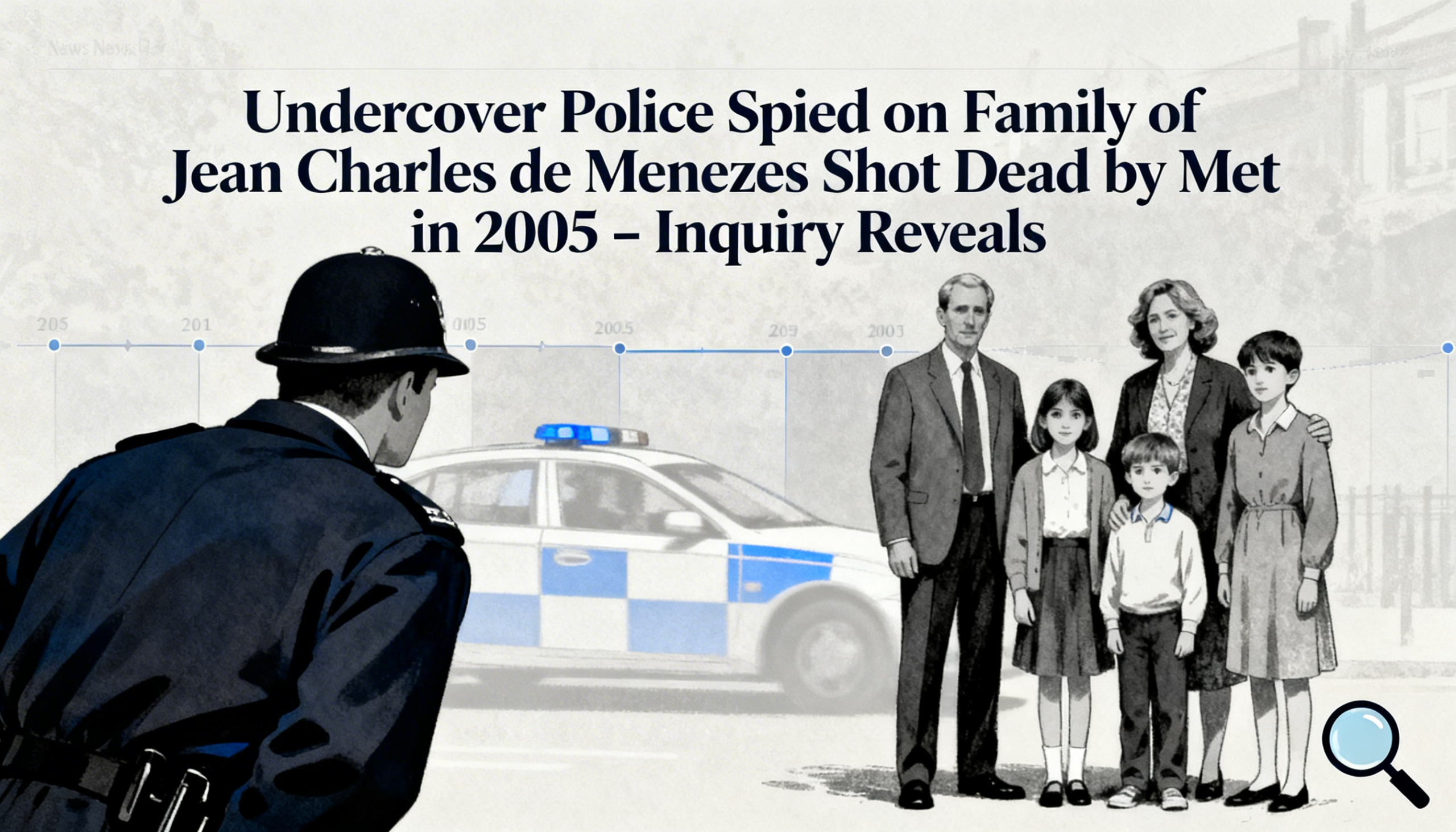
On 22 July 2005, Jean Charles de Menezes, a 27-year-old Brazilian electrician, was fatally shot by Metropolitan Police officers at Stockwell Underground station in London. The incident occurred amid heightened security following the 7 July 2005 London bombings and an attempted bombing the previous day. Police mistakenly identified de Menezes as a suspect in the failed attacks, believing he matched the description of one of the bombers. Officers followed him onto a train and, after he was seated, shot him seven times in the head at close range. No explosives were found on him, and subsequent investigations confirmed he was entirely innocent.
The shooting prompted widespread criticism of police procedures, particularly the application of the “shoot-to-kill” policy under Operation Kratos, designed for suspected suicide bombers. The Metropolitan Police faced legal proceedings, including a health and safety conviction in 2007 for breaching duties that endangered the public, though no individual officers were prosecuted for the killing itself.
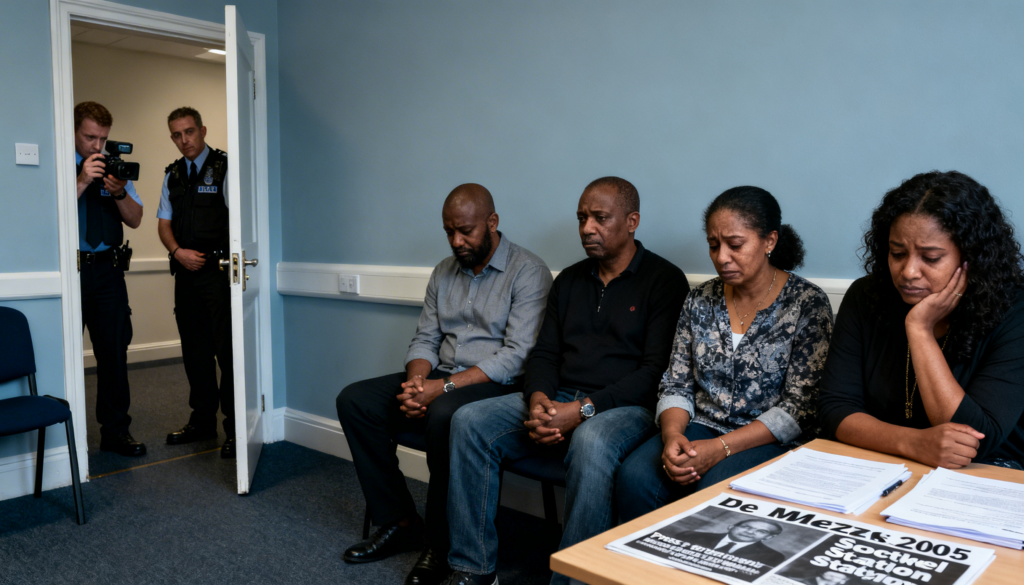
In response, de Menezes’s family launched the Justice4Jean campaign to seek truth, accountability, and reforms in police practices. The campaign involved public meetings, demonstrations, and advocacy efforts to address perceived misinformation from police statements—such as initial claims that de Menezes had behaved suspiciously, jumped barriers, or worn bulky clothing suggestive of a bomb—and to press for systemic changes.
Recent evidence presented to the Undercover Policing Inquiry (UCPI), a public inquiry established in 2015 to examine covert policing practices, has revealed that undercover officers from the Metropolitan Police’s Specialist Demonstration Squad (SDS) surveilled the Justice4Jean campaign and the de Menezes family. Testimony given on 12 March 2026 by Patricia Armani da Silva, de Menezes’s cousin who shared accommodation with him at the time of his death, described the surveillance as “invasive and unnecessary.” She expressed deep shock and a sense of privacy invasion, noting that the family had no intention of engaging in unlawful activities.
The inquiry heard that multiple undercover officers monitored the campaign in the weeks and months following the shooting, attending public events, including the campaign launch, and filing reports on activities such as speeches by family members. One officer reportedly used an online pseudonym while gathering intelligence. Records indicate the campaign was assigned a Special Branch reference number, facilitating ongoing monitoring of supporters and meetings.
This revelation forms part of broader findings in the UCPI, which has examined historical practices of undercover units, including the infiltration of family justice campaigns for victims of police-related deaths (such as the Stephen Lawrence family) and other instances of deceptive conduct, including the use of deceased children’s identities and inappropriate relationships.
The surveillance has intensified debates on police accountability, particularly regarding the Metropolitan Police’s handling of high-profile incidents and oversight of covert operations. Critics argue that monitoring grieving families pursuing legitimate accountability undermines public trust in policing, especially in communities affected by perceived injustices. The inquiry, which has exceeded £100 million in costs, continues to highlight systemic issues in undercover policing.
Parallels exist with other cases, such as the surveillance of the Stephen Lawrence family’s campaign, where undercover officers similarly infiltrated efforts to secure justice following a racially motivated murder. These disclosures contribute to ongoing discussions about institutional transparency, the proportionality of surveillance tactics, and the need for robust safeguards to prevent misuse of police powers against citizens exercising democratic rights to campaign for reform.
The Metropolitan Police issued an apology to the de Menezes family in October 2025 for the spying activities, acknowledging that such operations lacked justification and were inappropriate. The UCPI’s findings may influence future reforms aimed at restoring confidence in law enforcement.